What is Vedic Counselling?
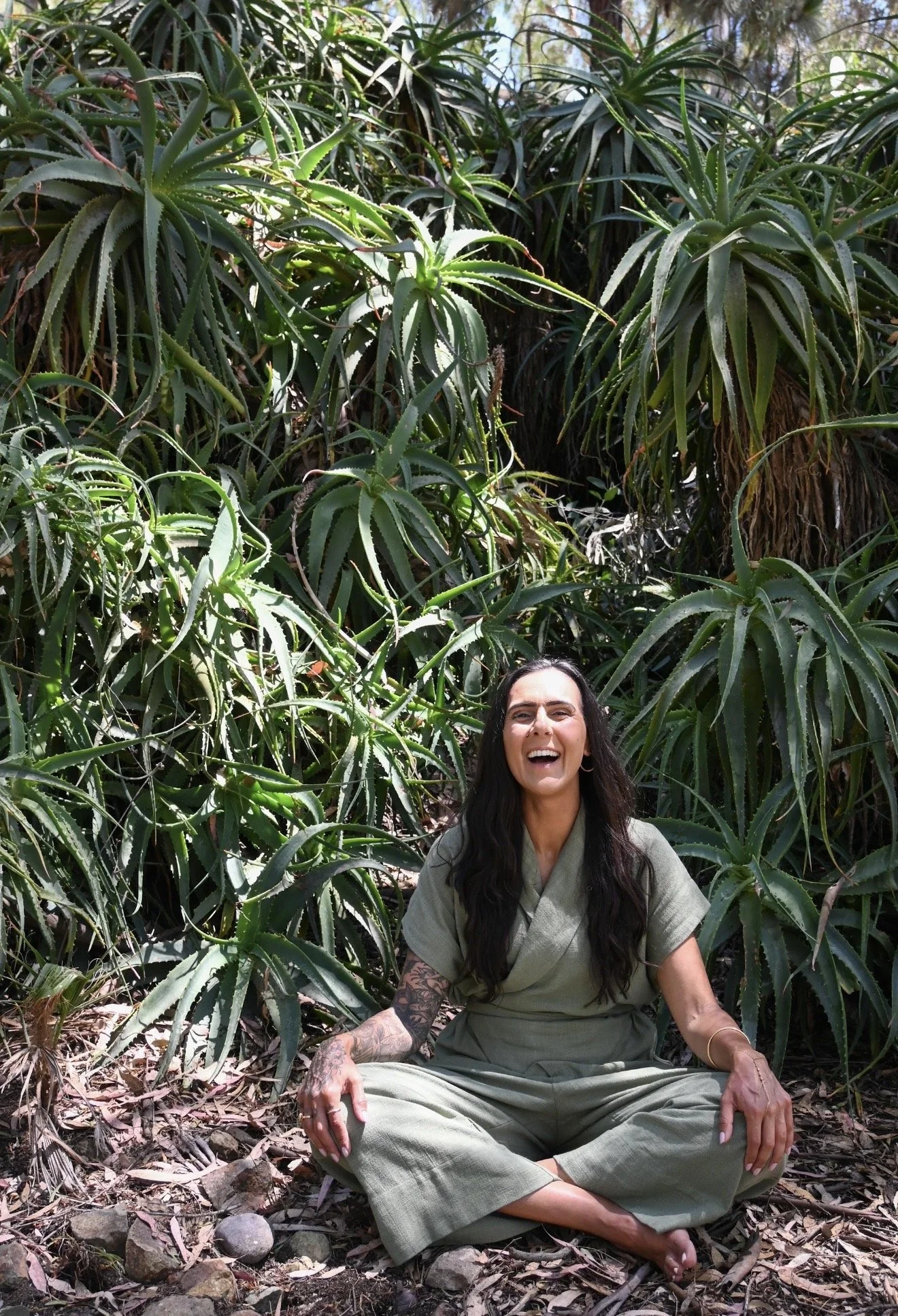
Ancient Wisdom for Modern Life
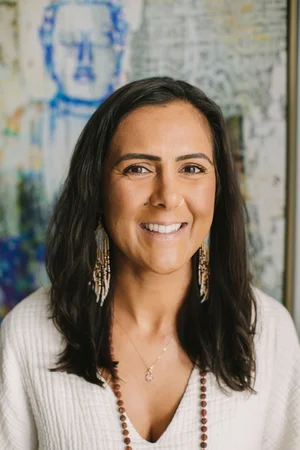
For years, as a trauma therapist, I sat across from people asking me some version of the same question: “What do I do to feel better?”
It's a fair question. When you're anxious, depleted, or standing in the middle of your life wondering how you got here, relief feels like the only thing worth chasing. Psychology has given me real tools for that. Tools I still use, still teach and still believe in but somewhere along the way, a quieter question started pulling at me harder than the first one ever did.
“Who are we beneath our thoughts, our roles, and the stories we’ve come to believe about ourselves?”
This question is what first drew me to the Vedas and, in many ways, led me back to myself. I grew up between worlds: rooted in my Indian heritage while being raised in Britain and Canada, somewhere between the ancient wisdom of my family and the psychology I would later be trained in. For many years, I experienced these as two separate languages. Today, I see they have been speaking to one another all along.
Over the years, my work has become deeply rooted in Vedic wisdom. What I continue to return to is this: wellbeing was never simply the absence of illness. It is a state of harmony between body, mind, spirit, and the rhythms of the natural world that we so easily forget we belong to.
What Is Vedic Counselling?
Vedic counselling is a holistic approach to personal growth, rooted in the Vedas, India's ancient philosophical and spiritual texts. Rather than treating problems or symptoms as the starting point, it asks us to look more closely at who we actually are beneath them. From this perspective, much of our suffering comes from a kind of forgetting. We come to identify so completely with our thoughts, our roles, our achievements, that we lose touch with the deeper awareness beneath them, an awareness that is already peaceful, already wise, already whole.
Vedic counselling isn't in the business of fixing you. Its purpose is to help you remember what you already are, and through awareness, self-inquiry, and daily practice, to bring your life back into alignment with that.
How Is Vedic Counselling Different From Psychotherapy?
Having practised as a Registered Clinical Counsellor for nearly a decade, I don't see these two approaches as competing. They're complementary, and each answers a different kind of question.
Psychotherapy tends to focus on emotional wounds, trauma, relational patterns, and mental health; the why behind our repeated patterns, the way our past shapes our present, the path toward healing from anxiety or grief.
Vedic counselling asks something adjacent, but distinct: who am I beyond my thoughts and emotions? What is it that keeps me out of alignment with myself, with others, with the natural world? What daily practices actually cultivate clarity and vitality, rather than simply managing symptoms? How do I move from surviving to something closer to flourishing?
Vedic counselling doesn't replace psychology so much as widen the conversation, bringing philosophy, spirituality, Ayurveda, and yoga into a practical framework for everyday living.
My Approach
My work is grounded in Vedic philosophy, but it's just as shaped by the years I've spent doing the real, unglamorous work of change, my own included. In practice that means bringing together clinical psychology, Ayurveda, yoga, nervous system science, mindfulness, and somatic awareness into one approach, rather than keeping them in separate boxes.
I've learned, both from my clients and from my own life as a mother rebuilding herself more than once, that healing only really happens when we tend to the whole person - mind, body, spirit, relationships, and the sense that our life is actually going somewhere. None of these live in isolation. Together, we look at what's happening for you right now, and just as importantly, at how you build the conditions for wellbeing through awareness, lifestyle, daily ritual, and a more conscious way of living.
What Can You Expect During a Session?
Every session begins the same way: with listening. Your story, your questions, and your experience are what shape the work from there.
People come to this work for different reasons. Some are navigating a major life transition. Others feel quietly disconnected despite outwardly successful careers and full family lives. Some are simply curious about spirituality and looking for guidance that feels grounded rather than esoteric.
Depending on what you need, a session might involve exploring recurring life patterns, understanding your Ayurvedic constitution and current imbalances, nervous system education, meditation and breathwork, yogic and Vedic philosophy, lifestyle and dietary guidance from an Ayurvedic lens, journalling, or practical rituals that support daily wellbeing.
Throughout, the work stays collaborative and reflective. My role is to help you build the kind of awareness that lets you hear your own wisdom clearly enough to act on it, in a way that feels authentically yours.
Is Vedic Counselling Right for You?
This work isn't about becoming someone new. It's about remembering who you are beneath the conditioning, the expectations, and the sheer busyness of modern life.
Many of the women I sit with are in midlife, having spent years holding everyone else together while building careers, raising kids, or running businesses, often all three at once, often largely alone. From the outside, their lives read as success. Underneath, they're asking harder questions: there has to be more than this. Why do I feel so far from myself despite everything I've built? How do I make a life that feels peaceful, not just productive?
I know that question personally, not just professionally. These women are rarely in crisis. What they're reaching for is alignment. They tend to be sharp, reflective people who trust science and psychology as much as they're drawn to older, deeper ways of knowing themselves and they want an approach that treats mind, body, and spirit as one thing, not three separate appointments.
Vedic counselling may be worth exploring if you're moving through a significant life transition like divorce, a career change, motherhood, menopause, retirement; if you're feeling overwhelmed or quietly disconnected from yourself; if you're curious about Ayurveda, yoga, or meditation and want guidance that's practical rather than abstract; if you're seeking a clearer sense of purpose; or if you're ready to build sustainable wellbeing rather than manage symptoms indefinitely.
This work is personal, and it's collaborative. I'm not in the business of quick answers or prescriptions for how to live. What I offer is a space to explore your inner landscape, reconnect with what you already know, and build practical rituals that support change that actually holds.
A Journey Towards Conscious Living
We live in an age saturated with information, and yet so many of us feel more disconnected than ever. Vedic counselling invites you to slow down, to observe, to reconnect with the natural world, and to understand the patterns of your own mind without becoming ensnared by them. It's an invitation to build a nervous system that feels safe, and a life lived with intention.
This work was never about fixing what's broken. It's about remembering what has always been whole.
Healing isn't only about feeling better. It's about living well and flourishing.